


Description
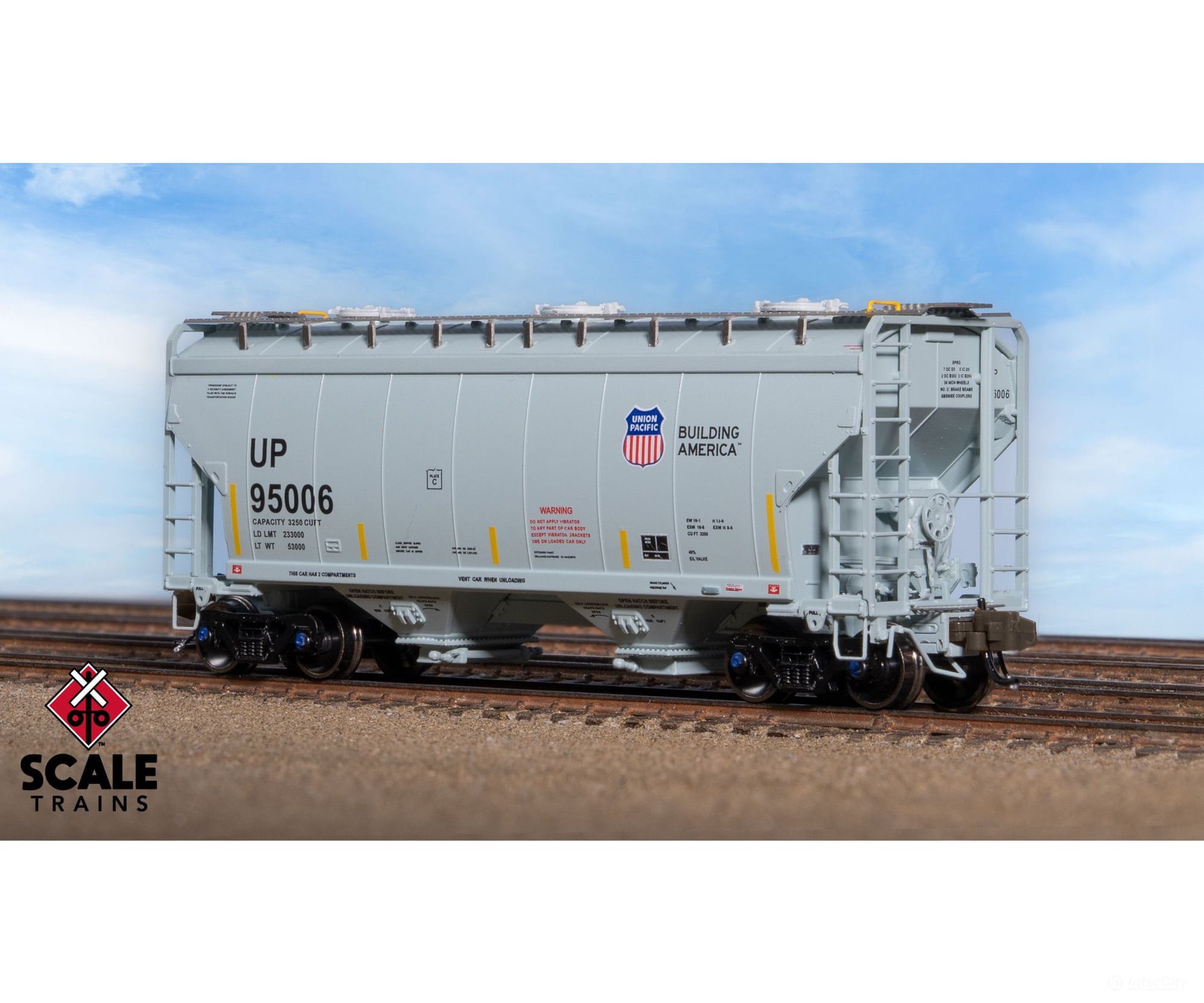
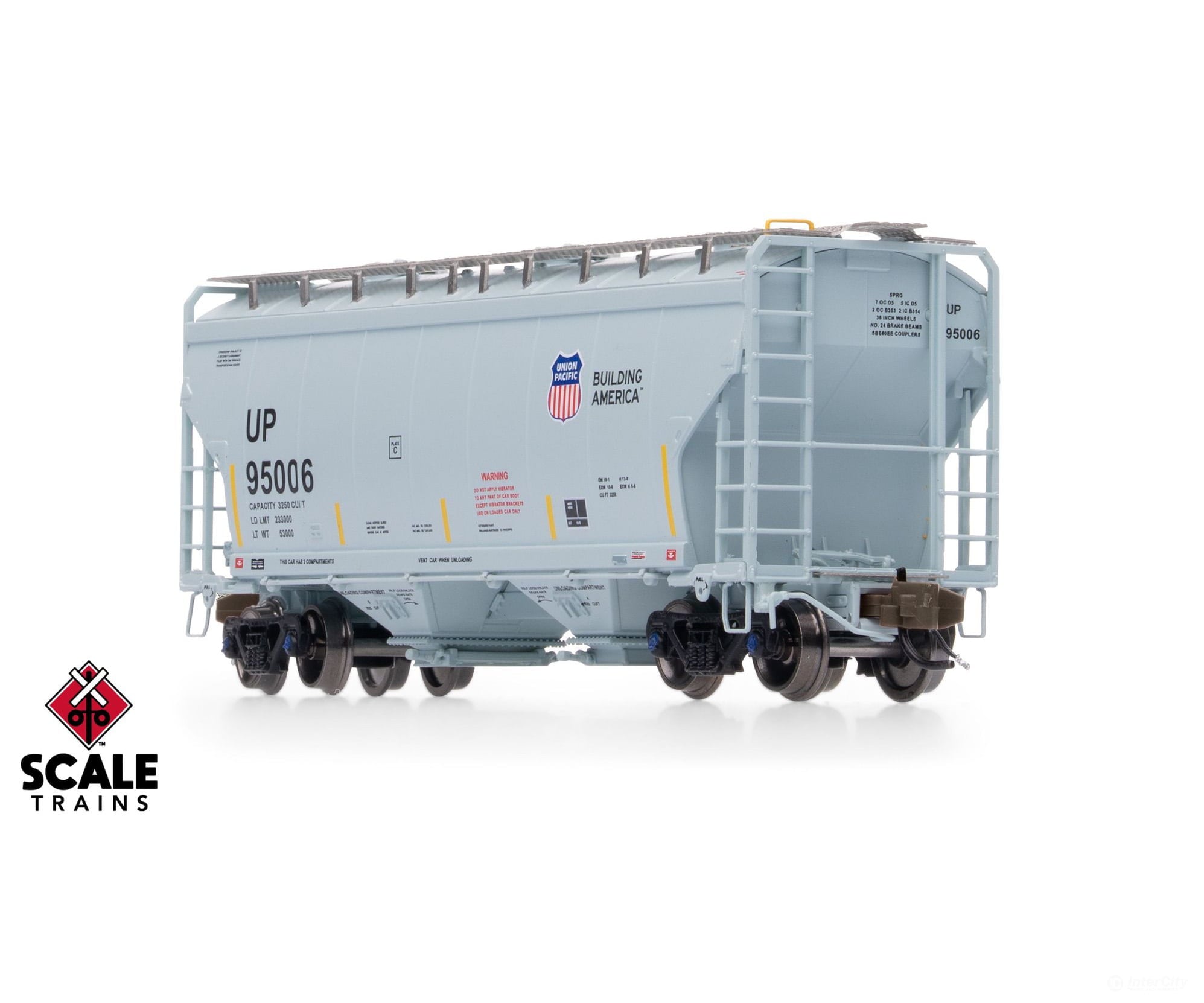
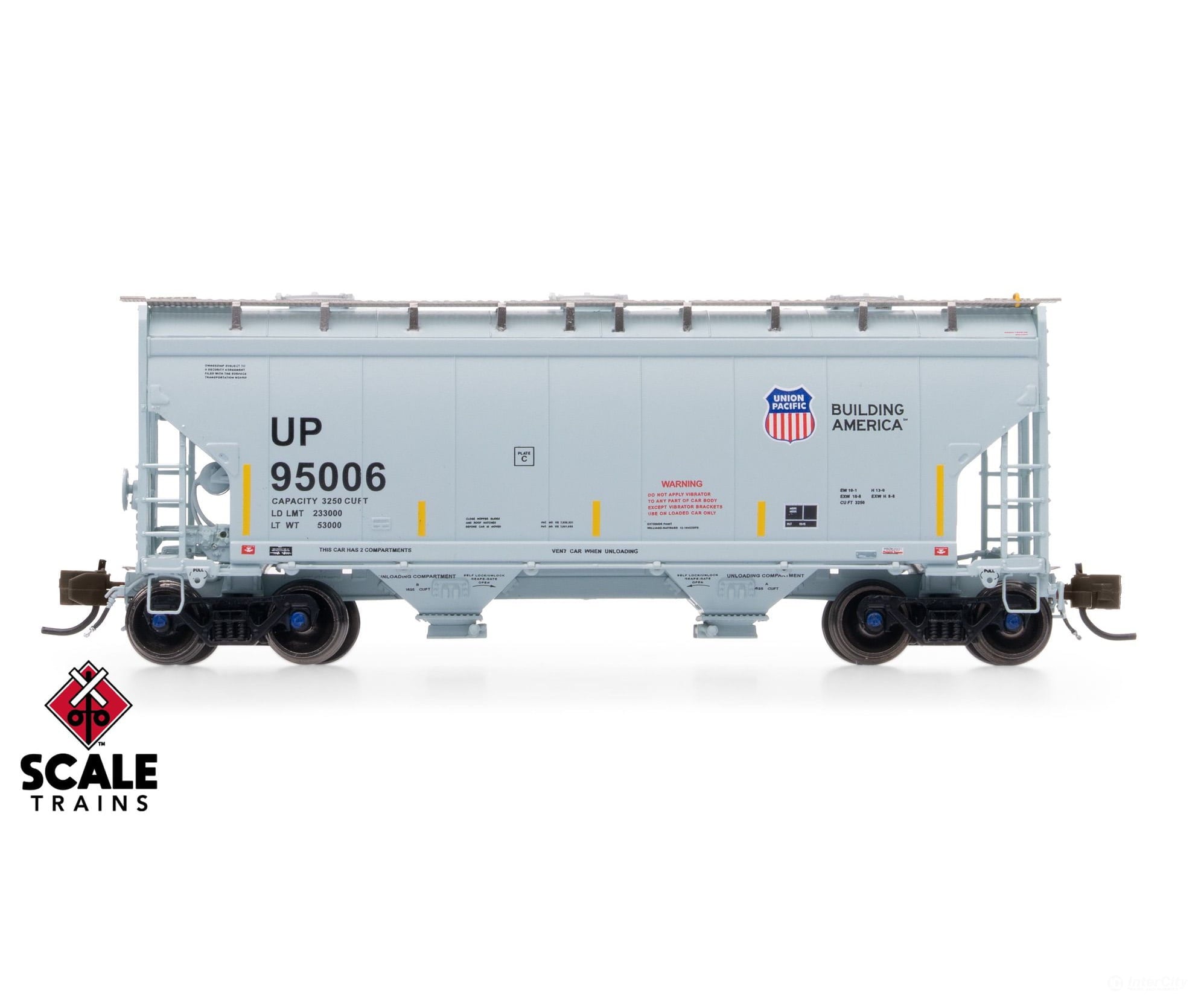
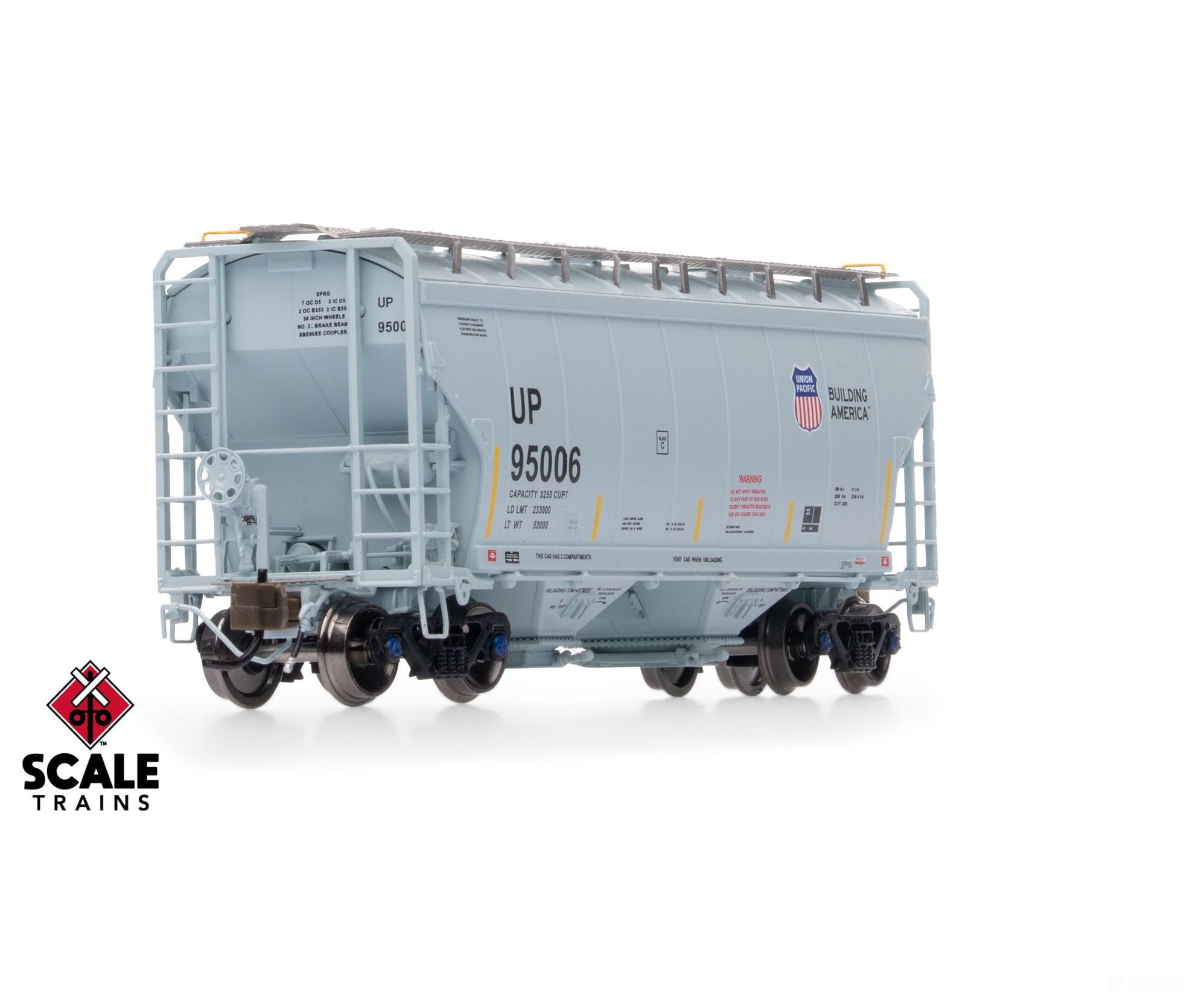
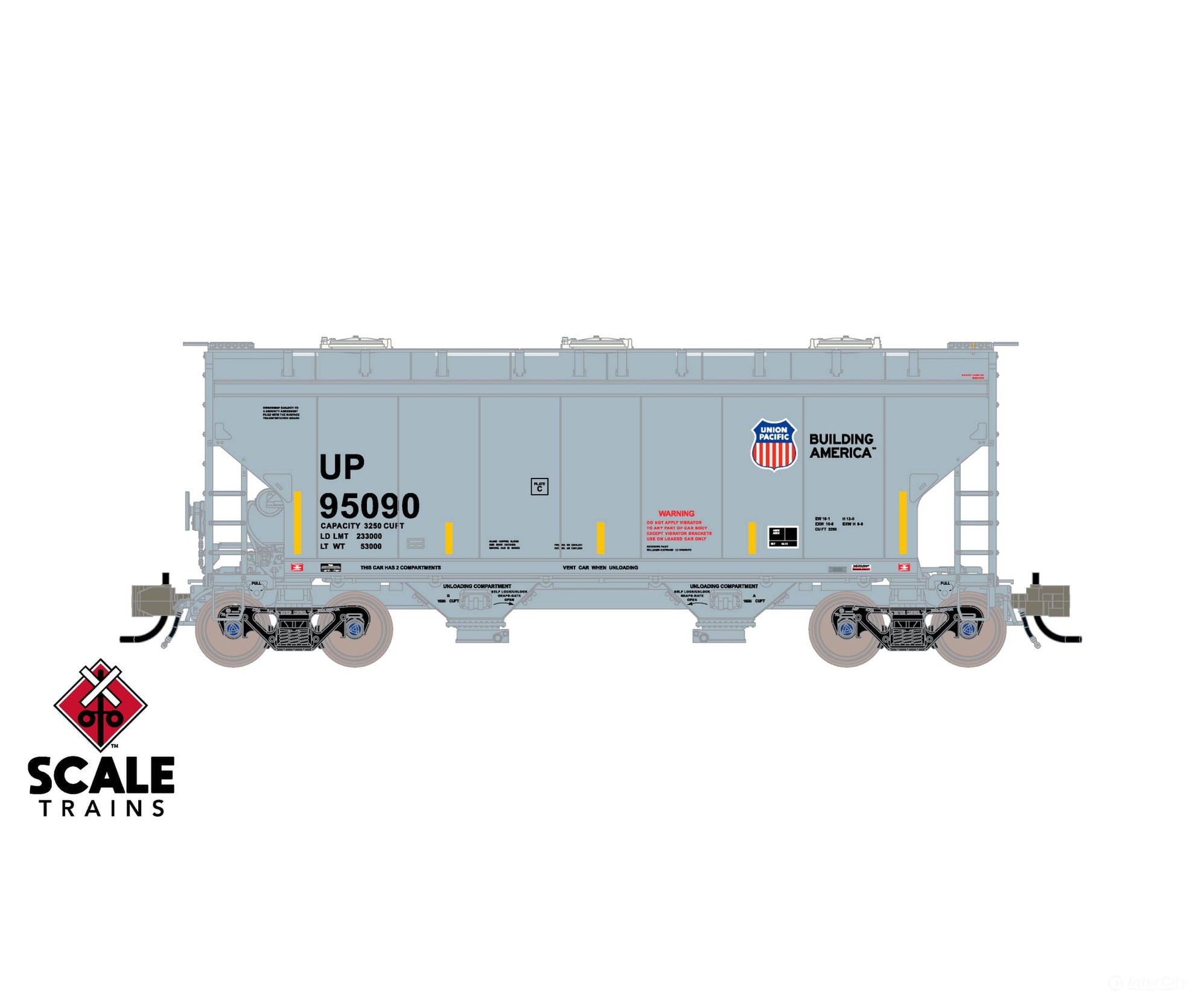
Called a 3250 Sand/Cement Covered Hopper by Greenbrier. This small but capable covered hopper was designed as a modern and versatile go-to car for dozens of dense granular commodities. First built in 2009, thousands of 3250s have been built for many private owners and railroads to meet the growing demands of the North American oil & gas, cement, roofing, plaster & other important industries.
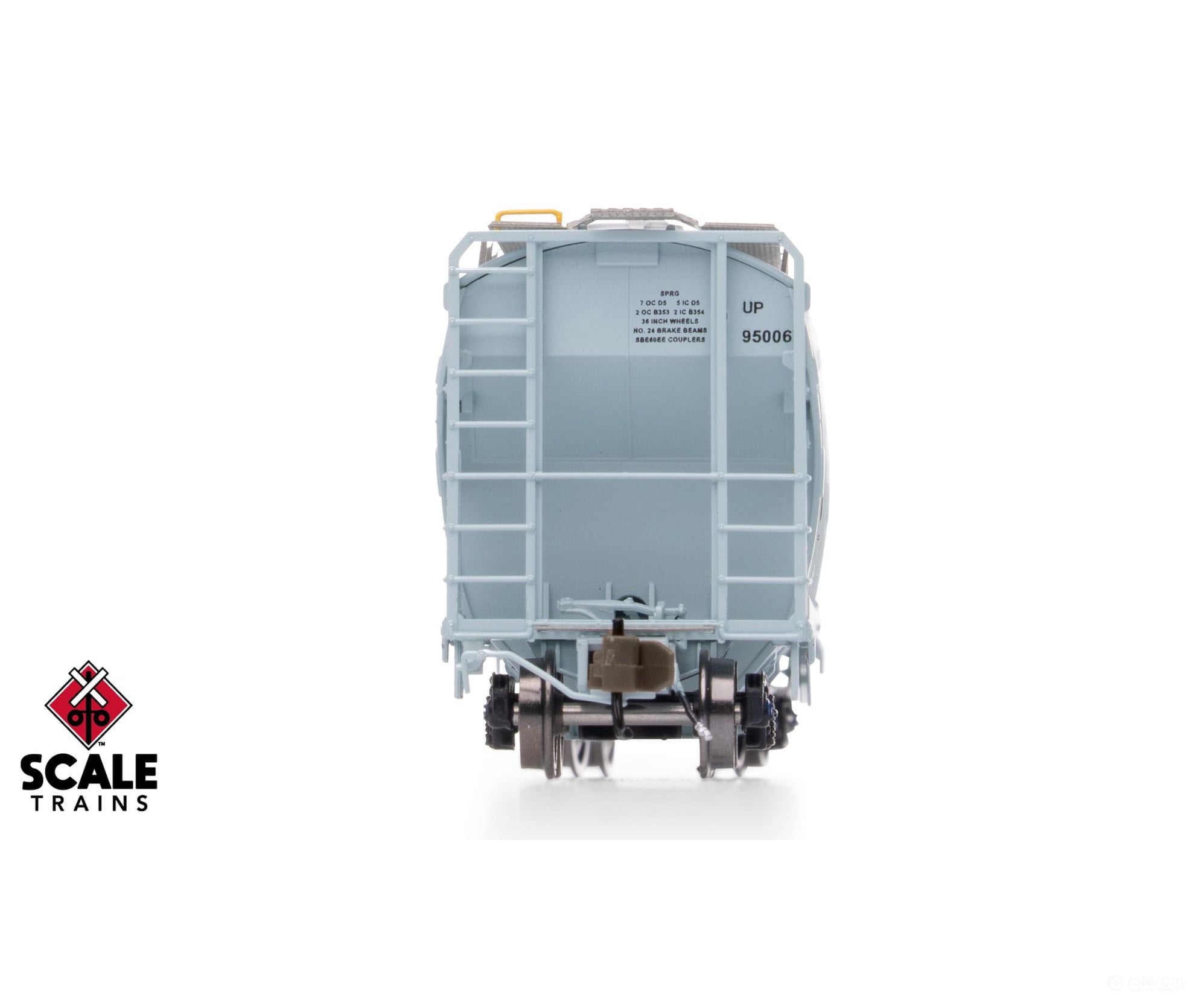
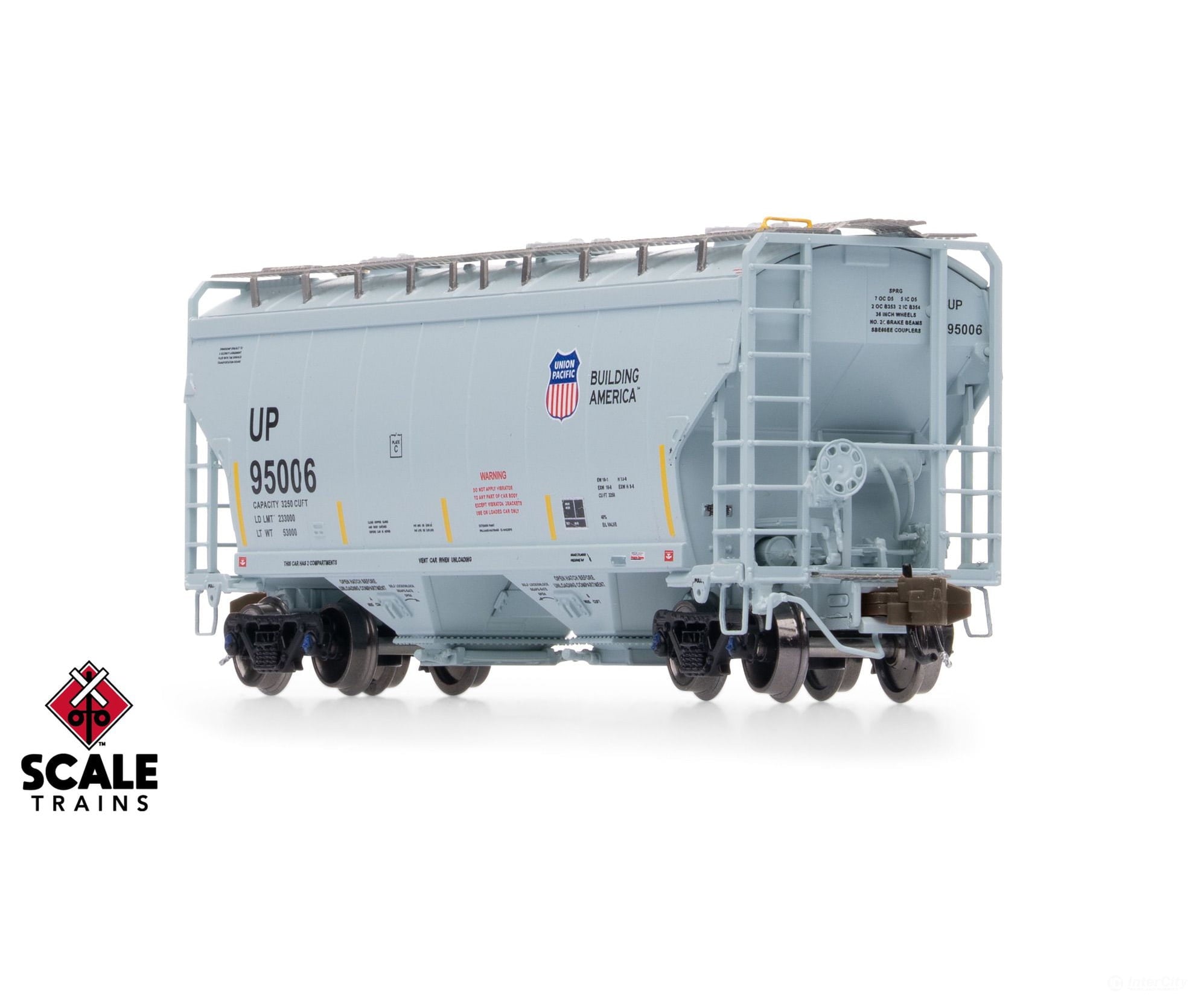
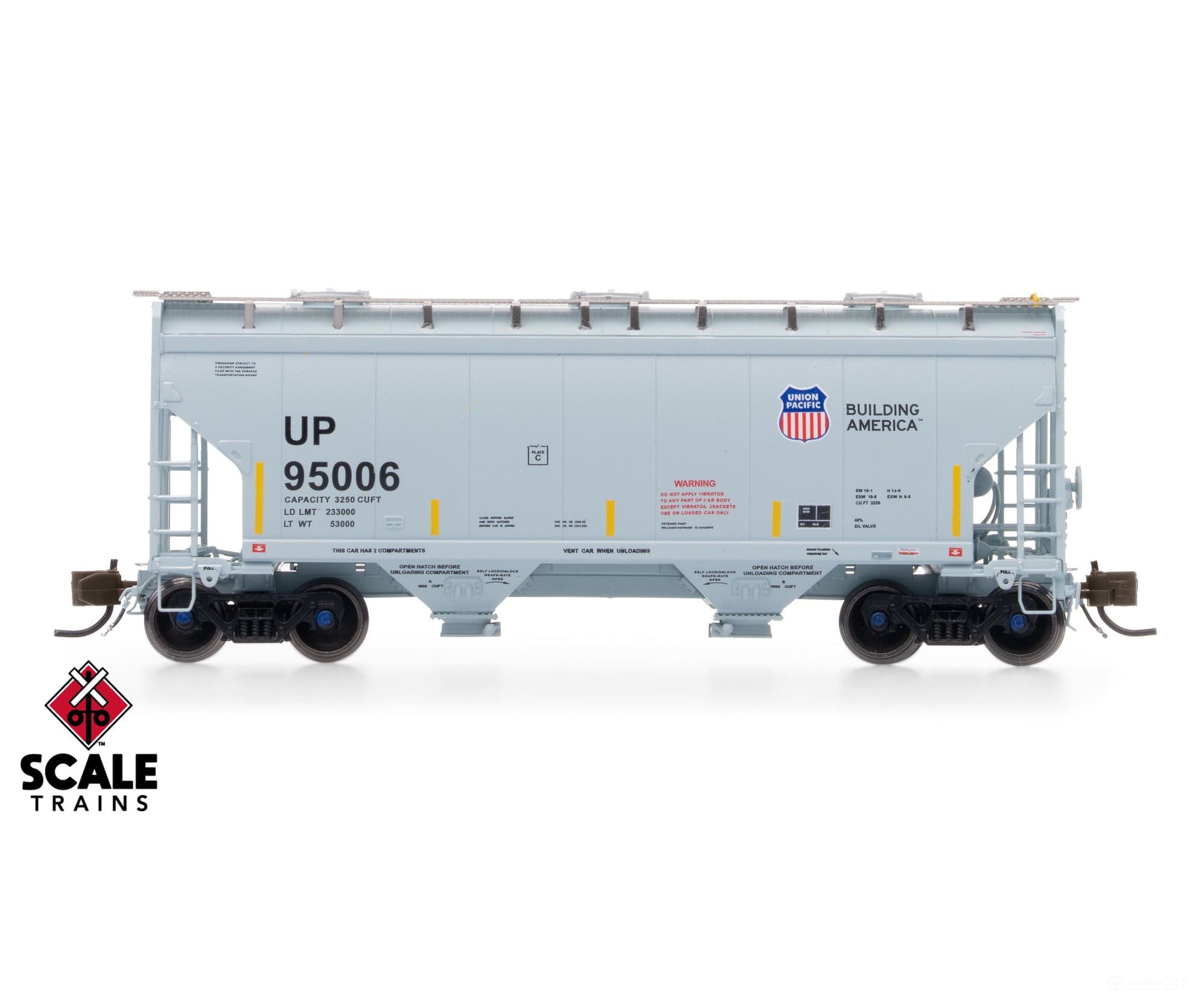
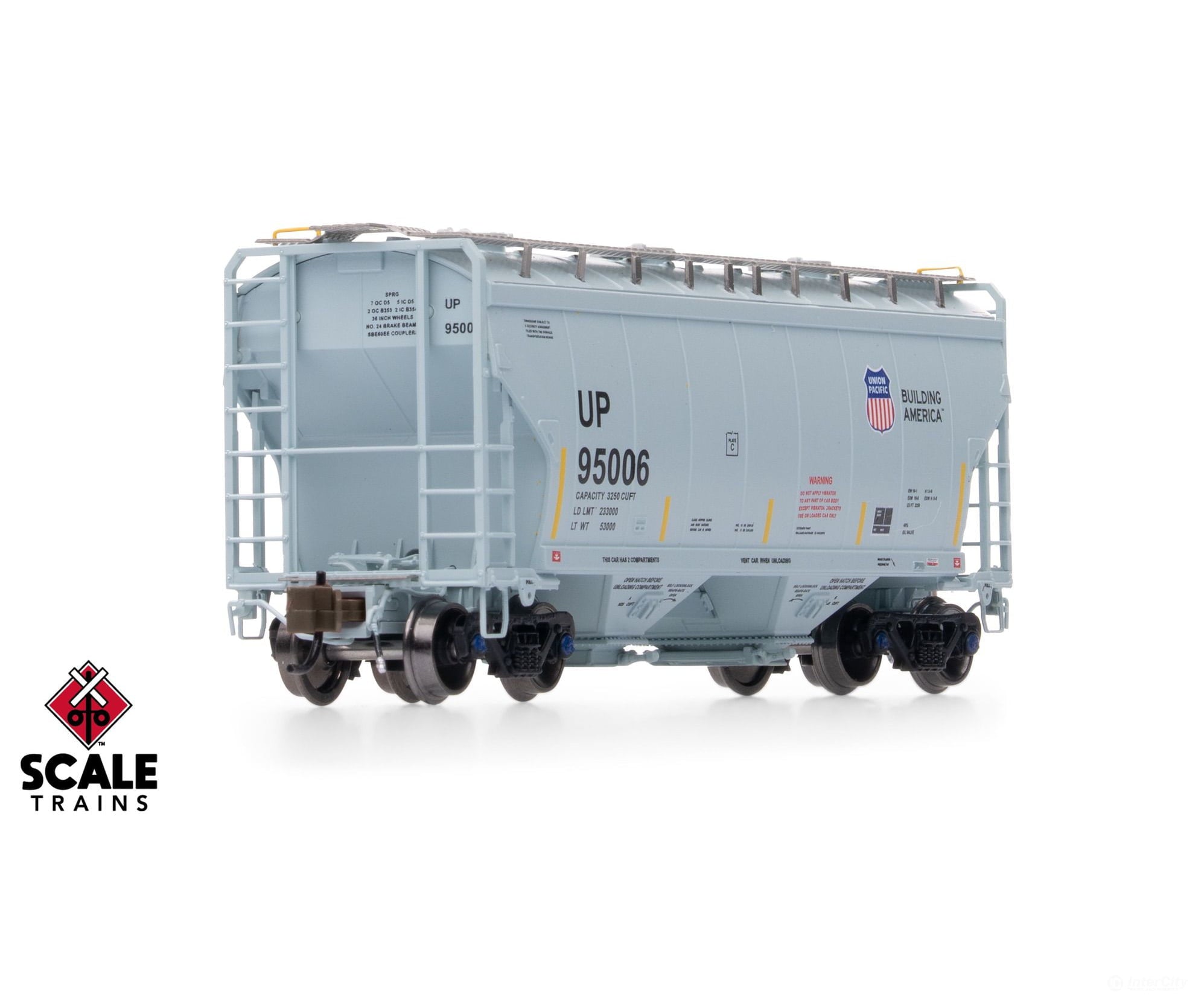
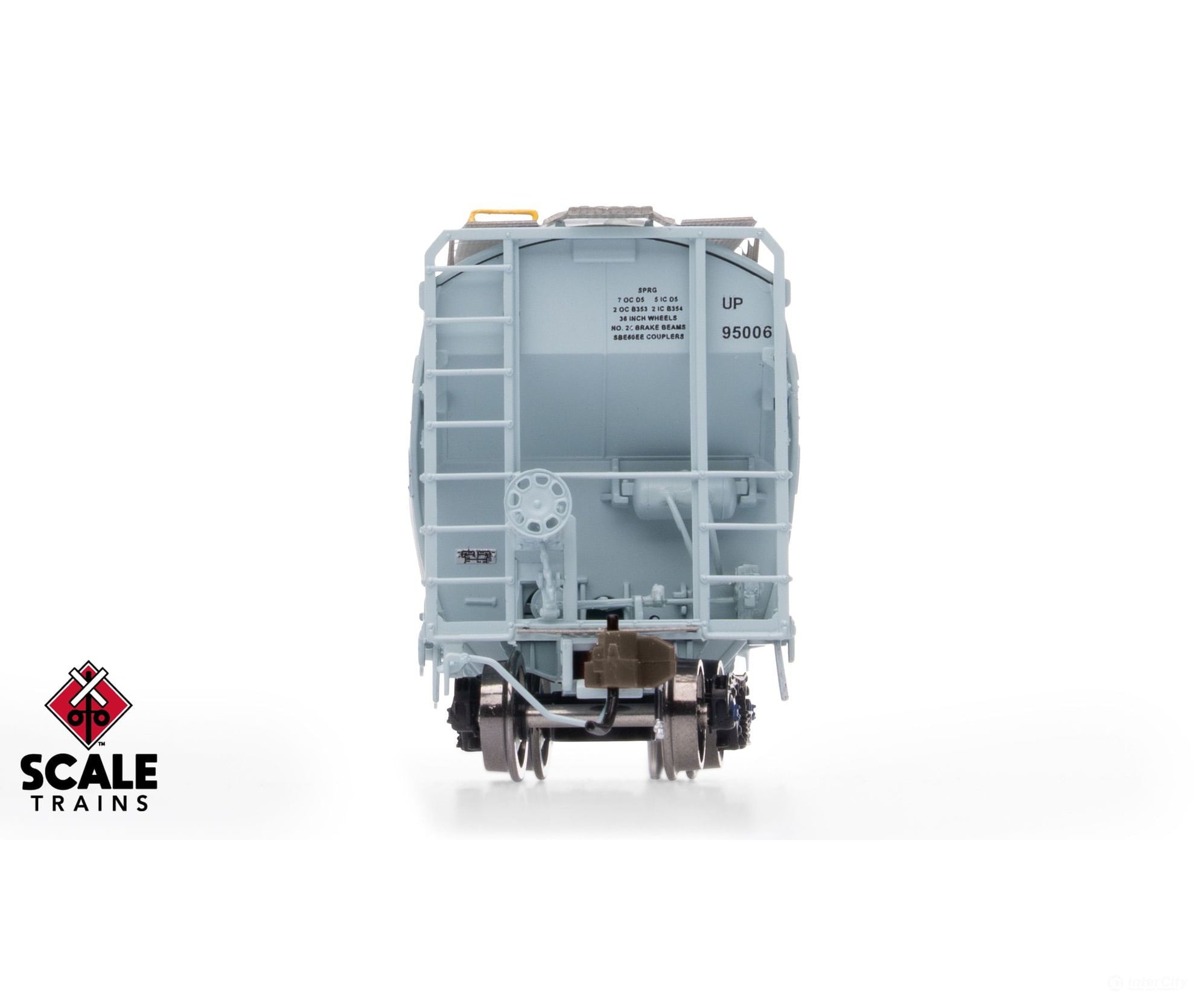
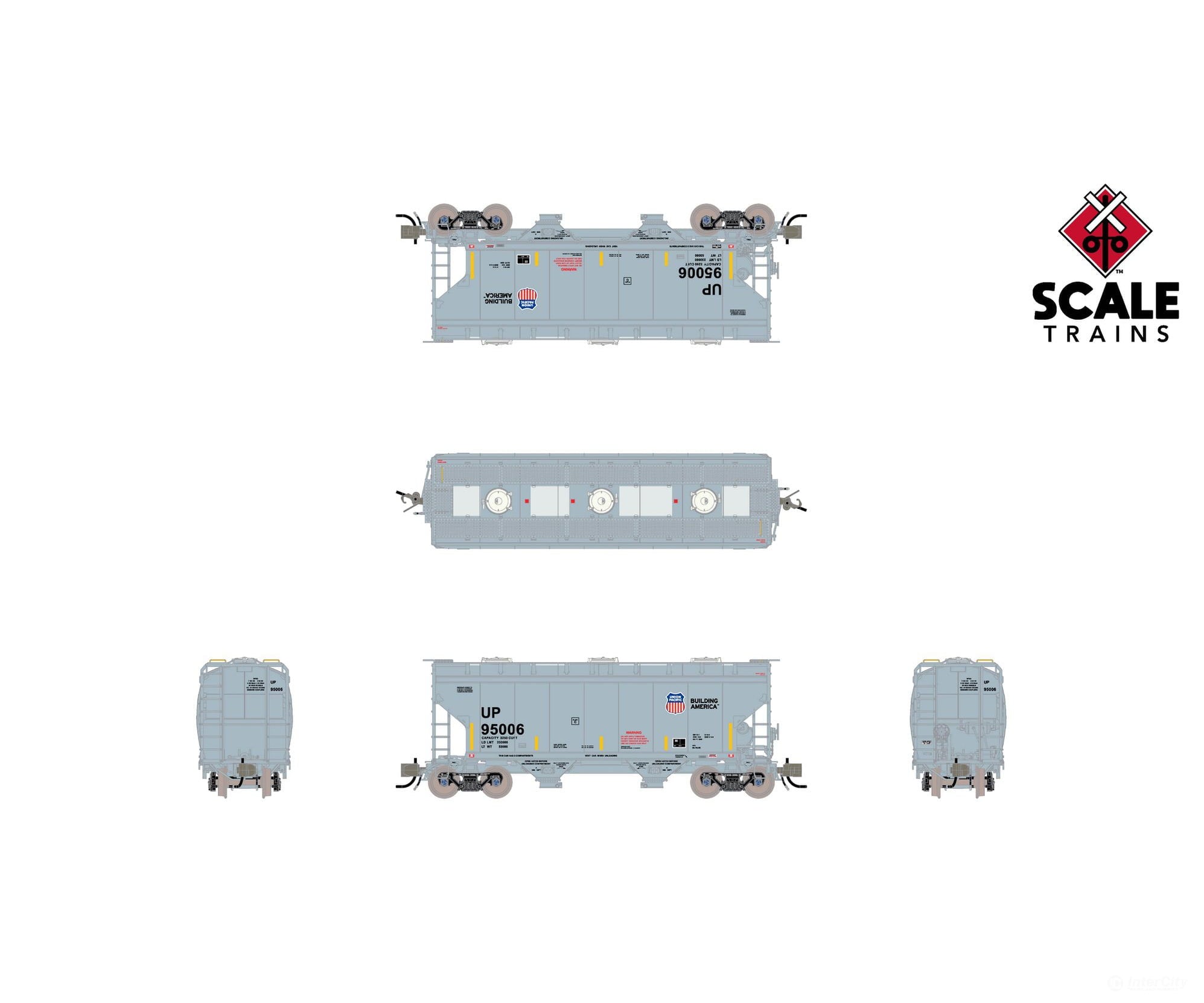
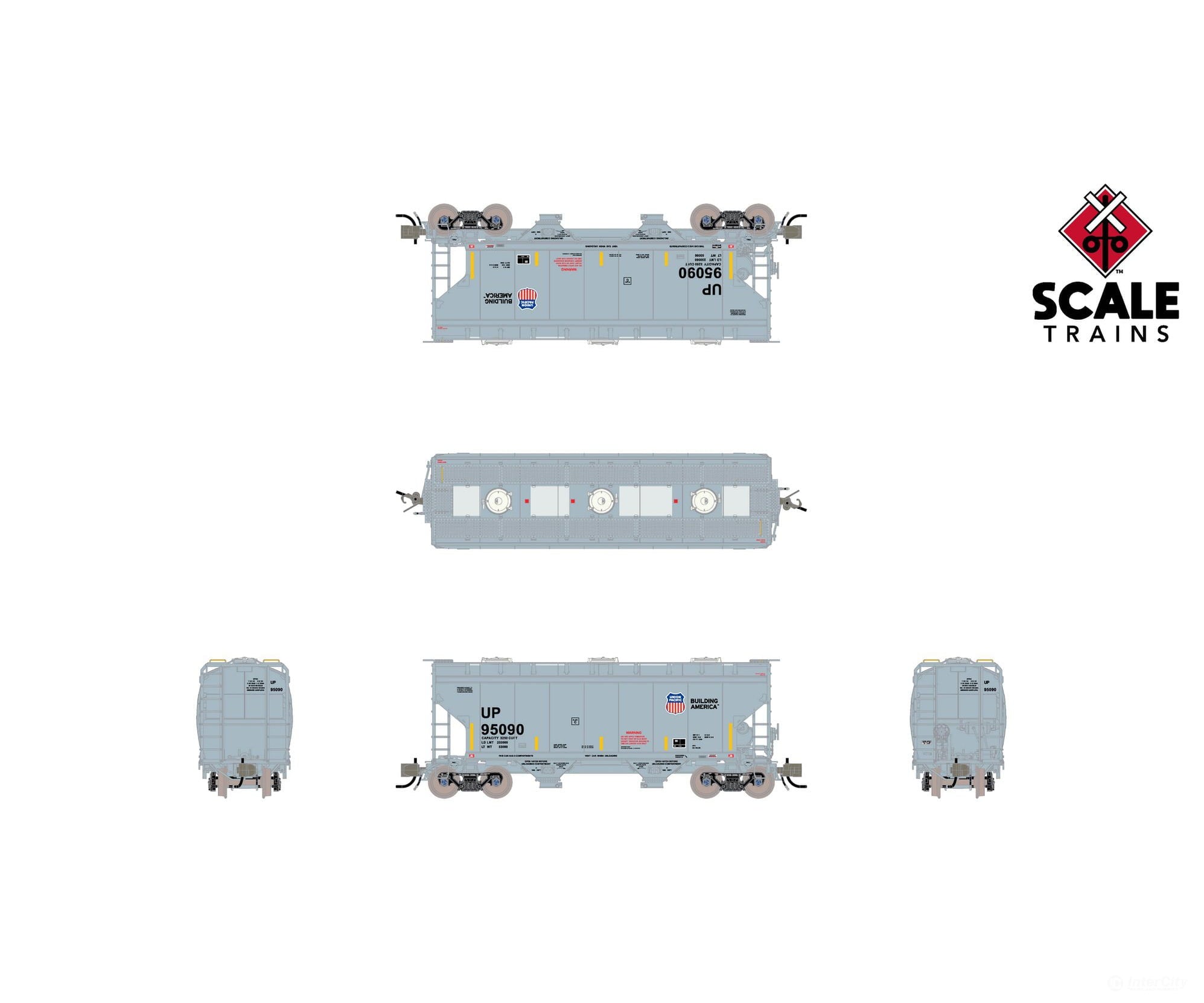
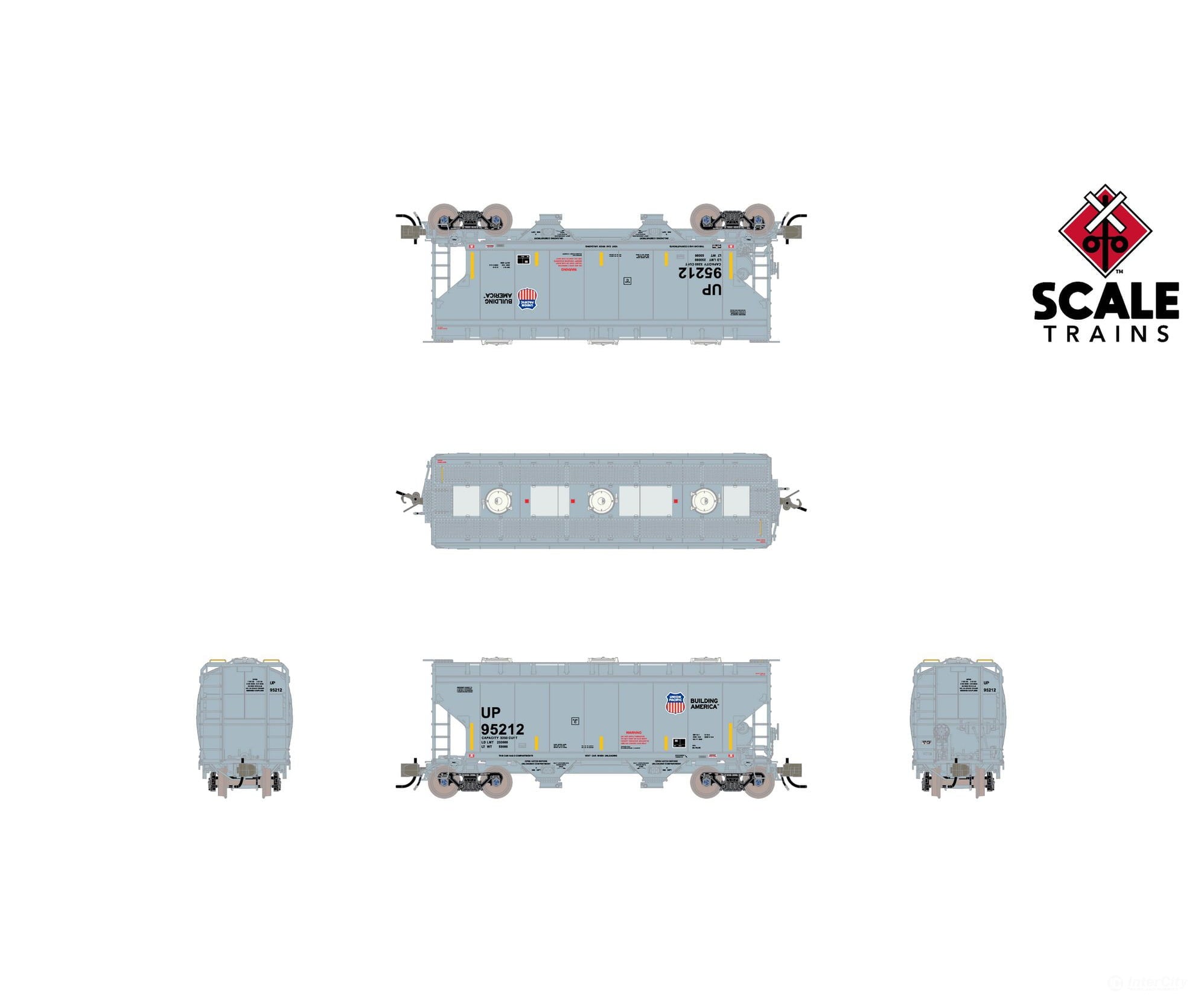
The new Rivet Counter™ N Scale Gunderson 3250 Covered Hopper model captures the unique railroad, road number, and era-specific™ features of the many prototypes – such as 2 different hatch variations. 2 unique outlet gates from ATP & Miner. 10 or 9 post running boards and many other specific details for the first time in N scale.
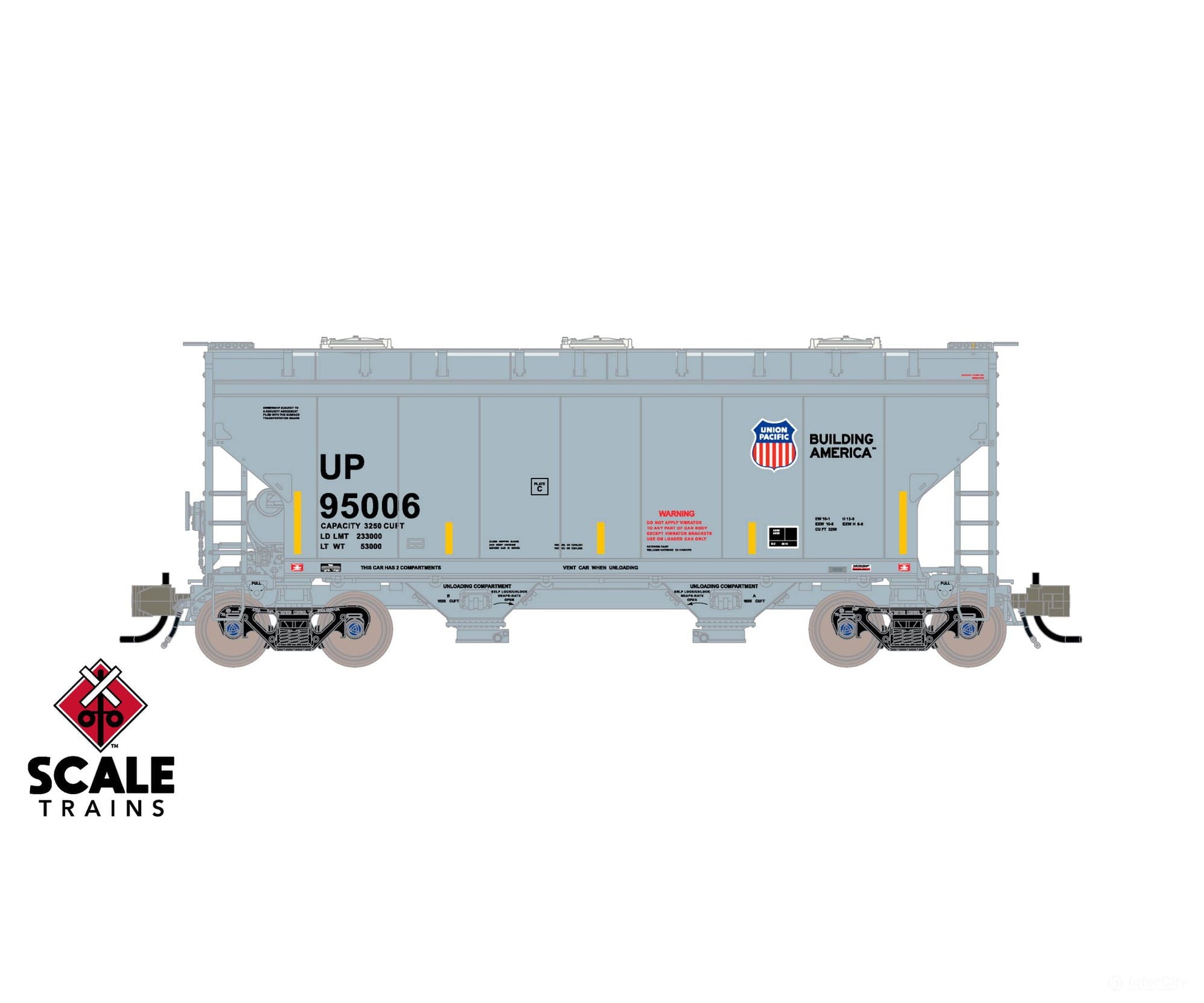
Road Number Specific ScaleTrains
- All-new model
- Era: 2012 to present
- Series 95000 to 95399; built 03 to 05/2012
- Road numbers 95006, 95028, 95041 and 95065
- Built 03/2012
- Road numbers 95090, 95125, 95153 and 95187
- Built 04/2012
- Road numbers 95212, 95237, 95254 and 95271
- Built 05/2012
- Fully assembled
- Multiple road numbers
- Paint Scheme is representative of a 3250cf capacity car
- Fully-assembled
- Multiple road numbers
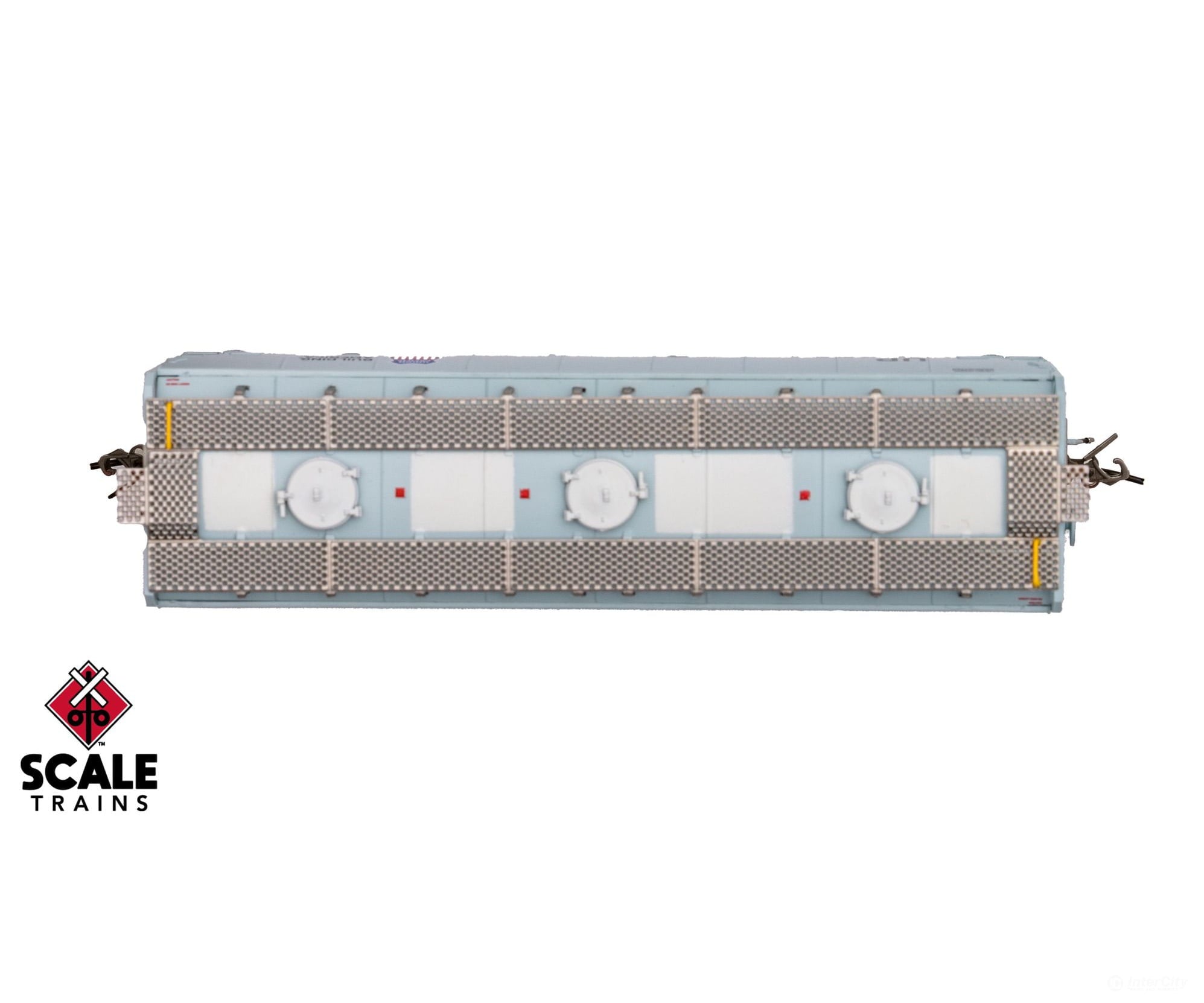
- Three 30” Roof Hatches
- Side sill mounted rope pulls
- Running boards with 10 inboard and outboard support posts
- ATP fiberglass 30" rounds - dual hinge roof hatches
- Miner MKE10513 - 13x42 AutoLOK II outlet gates
- See-through photo-etched stainless-steel metal roofwalk with metal grab irons
- See-through photo-etched stainless-steel metal end crossover platforms
- Factory-applied ladders
- Photo etched metal stirrup steps
- Finely detailed brake plumbing, linkage, triple valve, cylinder, and actuator
- Brake wheel, stand, and chain
- Factory-applied trainline pipe with brackets
- Body-mounted knuckle couplers – Micro-Trains® compatible, molded in a dingy gray/brown color to represent the color of couplers in service
- ASF Ride Control Trucks with finely rendered raised foundry data
- 36” machined metal wheels
- Factory-applied, coupler cut levers, and trainline hoses with silver gladhands
- Conspicuity stripes
- Printing and lettering legible even under magnification
- Paint colors match Tru-Color Paint color: TCP-274 MP Hopper Gray; Body, Roof and Ends
- Weighted to Industry standards for reliable operation
- Operates on Code 55 and 80 rail
- Packaging safely stores model
- Minimum radius: 9 ¾”
- Recommended radius: 11”
Covered hoppers have been a popular choice for railroads over the years, enabling the transportation of bulk granular commodities that need protection from the elements. Initially, many of these commodities were moved in various ways. In boxcars, items would be bagged and stacked. Some boxcars had grain doors placed into the door openings, allowing commodities to be gravity-fed or shoveled into the car body. In open hoppers and gondolas, canvas tarps were used to cover the loads. Some gondolas were also fitted with specialized containers to transport items such as cement.
The concept of a covered hopper wasn't new, and early examples were available in the early 1900s. However, it was in the 1940s and 50s that the concept began to gain popularity.
As freight car sizes and capacities increased over time, covered hopper designs for certain types of commodities changed as well. Less dense products such as grain, soda ash, and sugar would cube out in a smaller car. Therefore, covered hoppers became longer so the car could be loaded to the fully allowed weight on the rails. Denser products, such as cement, sand, clay, and other fine granular items, worked well with a shorter, low cube 2-bay covered hopper.
Between 2010 and 2012, the US Shale Revolution led to the mass extraction of oil and gas from previously untapped resources. The growing combination of horizontal drilling and hydraulic fracturing created a massive demand for high-purity quartz sand called frac sand, used as a proppant in the extraction process. This specific type of sand has been mined in states within the Great Lakes region. To transport these sands to shale formation drill sites across the US, vast quantities of 2-bay hoppers were needed. All major North American railcar manufacturers began building lower cubic foot capacity 2-bay hoppers as quickly as they could.
In late 2009, the Greenbrier Companies released their 3250 cubic foot 2-bay covered hopper, designed after their tried and true 5188 cubic foot grain-covered hopper. All 3250s were/are built in Mexico at both the Gunderson Concarril and Gunderson Gimsa facilities. The latest versions of these cars were delivered in 2018 just before oil and gas prices crashed in 2020 and frac sand demand shrank. Demand is rising again, and if needed, the 3250 is still offered in the Greenbrier catalog for future orders. Other common commodities the Gunderson-built 3250s are used for include cement, roofing granules, fly ash, clay, and many other dense materials.
The earliest versions of the 3250s were built with four 30” roof hatches, but all later versions had only three 30” hatches. Various hatch styles were delivered depending on the owner's specifications. Hatch variations included a single or dual-hinge steel hatch from ATP as well as the most common dual-hinge fiberglass hatch from ATP.
Another change to the 3250s was the outlet gates. This car was built with a common 13x42” opening with a 64-bolt mounting flange. Based on the owner's needs, the following gates can be found on the 3250s:
- ATP A87 - 13x42 Low Profile
- ATP A161 - 13x42 Universal
- Miner MKE10513 - 13x42 AutoLOK II
- Miner MKE10615 - 15x48 AutoLOK II Ultra-Low Profile
Over the build life of the 3250s, multiple changes were made to the design. Initial running boards had 10 inboard and 10 outboard support posts. In 2014, the running board height was slightly lowered. Initial deliveries kept the 10-post design, but a 9-post version came along and became the standard going forward.
Other changes occurred on the 2009-built cars where the rope pull loops were initially mounted to the bolsters; on all later cars, the loops were moved to the side sills. In 2018 deliveries, corner sill grab irons went from a full-drop version to a half-drop version, and an additional support bracket was added to all corner posts.
Hundreds of Gunderson 3250 Covered Hoppers were built for railroads such as CSX and Union Pacific, but thousands were built for private owners. Blocks of AOKX, CBFX, HWCX, MBKX, NAHX are common sights on contemporary freight trains all over North America. In some locations, unit frac sand trains are a common sight to see.


